
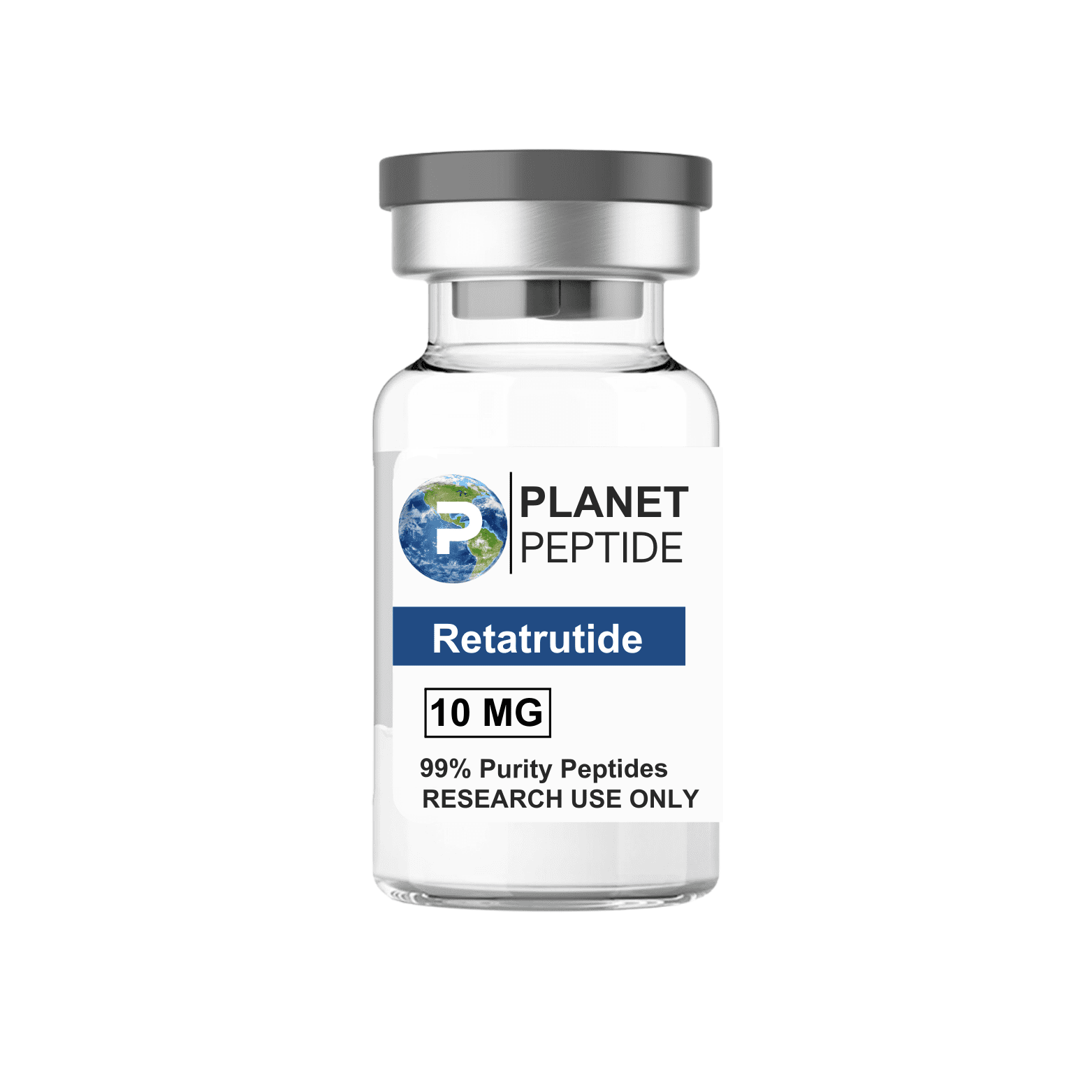
Retatrutide: A New Frontier in Metabolic Health and Weight Management
Introduction
Retatrutide is an investigational medication that has generated significant interest in the medical and scientific communities, particularly in the fields of obesity management and metabolic health. As rates of obesity, type 2 diabetes, and related metabolic disorders continue to rise globally, there is a growing need for more effective and sustainable treatment options. Retatrutide represents a next-generation approach that builds upon earlier therapies while aiming to deliver more comprehensive results.
Although retatrutide is not yet widely available for routine clinical use, early research findings suggest that it may offer meaningful benefits for weight reduction, blood sugar control, and overall metabolic improvement. This article explores what retatrutide is, how it works, what current research indicates, and why it is considered a promising development in modern medicine.
What Is Retatrutide?
Retatrutide is a novel injectable peptide medication being developed primarily for the treatment of obesity and metabolic diseases. What sets it apart from many existing therapies is its unique mechanism of action: it is a triple hormone receptor agonist. This means it targets three different hormone pathways involved in appetite regulation, glucose metabolism, and energy balance.
The medication is currently undergoing clinical trials and has not yet received full regulatory approval. However, the results published so far have attracted attention due to the magnitude of weight loss and metabolic improvements observed in trial participants.
How Retatrutide Works in the Body
Retatrutide acts on three key receptors:
-
GLP-1 (Glucagon-Like Peptide-1) receptor
-
GIP (Glucose-Dependent Insulinotropic Polypeptide) receptor
-
Glucagon receptor
By simultaneously activating these pathways, retatrutide aims to influence metabolism more comprehensively than single- or dual-agonist medications.
-
GLP-1 activity helps reduce appetite, slow gastric emptying, and improve insulin secretion.
-
GIP activity enhances insulin response and may support fat metabolism.
-
Glucagon receptor activation increases energy expenditure and fat burning.
The combined effect is reduced caloric intake, improved blood sugar regulation, and increased energy usage—key components in effective weight management.
Retatrutide and Weight Loss
One of the most discussed aspects of retatrutide is its potential for significant weight reduction. In early and mid-stage clinical trials, participants receiving retatrutide experienced substantial body weight loss over several months of treatment.
In some studies, individuals achieved average weight reductions exceeding 20% of their starting body weight. These results are notable because they approach or even rival outcomes typically associated with bariatric surgery, but without the need for an invasive procedure.
Weight loss with retatrutide appears to be gradual and progressive, which may help support long-term adherence and reduce the risk of rapid weight regain.
Impact on Metabolic Health
Beyond weight loss, retatrutide shows promise in improving overall metabolic health. Clinical data suggest benefits such as:
-
Improved insulin sensitivity
-
Lower fasting blood glucose levels
-
Reduced HbA1c in individuals with prediabetes or type 2 diabetes
-
Favorable changes in cholesterol and triglyceride levels
These effects are particularly important because excess weight and insulin resistance are closely linked to cardiovascular disease, fatty liver disease, and other chronic conditions.
Potential Side Effects and Safety Profile
As with any medication under development, safety is a key consideration. Reported side effects of retatrutide in clinical trials are similar to those seen with other incretin-based therapies.
Commonly reported side effects include:
-
Nausea
-
Vomiting
-
Diarrhea
-
Decreased appetite
-
Mild gastrointestinal discomfort
These effects are generally most noticeable during the early stages of treatment and tend to decrease as the body adjusts. Ongoing studies continue to monitor long-term safety, including cardiovascular outcomes and tolerability over extended use.
How Retatrutide Differs From Existing Treatments
Current weight-loss and diabetes medications often target one or two hormonal pathways. Retatrutide’s triple-agonist design is intended to offer broader metabolic benefits by addressing appetite, insulin regulation, and energy expenditure simultaneously.
This multi-pathway approach may explain why retatrutide has demonstrated more pronounced effects in early trials compared to some existing therapies. It also reflects a growing trend in medicine toward combination mechanisms within a single treatment.
Current Research and Clinical Trials
Retatrutide is still in the clinical development phase, with large-scale Phase 3 trials expected to further clarify its effectiveness and safety. Researchers are evaluating its use in different populations, including individuals with obesity, type 2 diabetes, and related metabolic conditions.
Until regulatory approval is granted, retatrutide remains accessible only through clinical trials. Healthcare professionals and patients alike are watching closely as new data continues to emerge.
The Future of Retatrutide in Medicine
If ongoing trials confirm current findings, retatrutide could become a major advancement in the treatment of obesity and metabolic disease. Its potential to deliver significant weight loss along with improvements in blood sugar and cardiovascular risk factors makes it an attractive option for patients who have struggled with existing treatments.
In the future, retatrutide may be prescribed as part of a comprehensive care plan that includes lifestyle changes such as nutrition, physical activity, and behavioral support. Like all medical therapies, it is likely to be most effective when used alongside healthy habits rather than as a standalone solution.
Conclusion
Retatrutide represents an exciting development in the evolving landscape of metabolic medicine. By targeting three critical hormonal pathways, it offers a new and potentially more powerful approach to weight management and metabolic health.
While it is still under investigation and not yet widely available, early research suggests that retatrutide could significantly change how obesity and related conditions are treated in the coming years. As clinical trials progress, healthcare providers and patients alike will gain a clearer understanding of its role, benefits, and long-term impact.



Reviews
There are no reviews yet.