
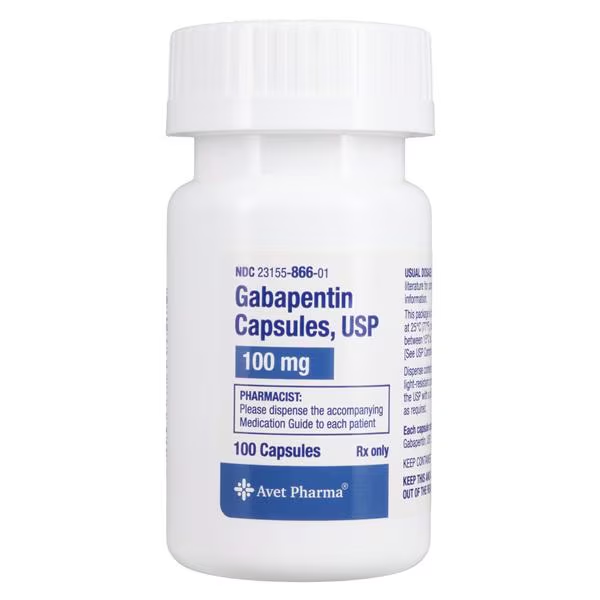
Gabapentin: Uses, Benefits, Dosage, and Important Considerations
Introduction to Gabapentin
Gabapentin is a widely prescribed medication used primarily to treat nerve-related pain and certain types of seizures. Over the years, it has also gained attention for its off-label uses, including the management of anxiety disorders, restless legs syndrome, and migraine prevention. Originally developed as an anticonvulsant, gabapentin has become an important tool in modern medicine due to its effectiveness and generally favorable safety profile when used correctly.
This article provides a comprehensive overview of gabapentin, explaining what it is, how it works, what it is used for, and what patients should know before starting treatment.
What Is Gabapentin?
Gabapentin is a prescription medication that belongs to a class of drugs known as anticonvulsants or antiepileptics. It is structurally similar to gamma-aminobutyric acid (GABA), a neurotransmitter that helps regulate nerve activity in the brain. Despite this similarity, gabapentin does not act directly on GABA receptors.
The medication is sold under several brand names, including Neurontin and Gralise, as well as in generic form. It is available in capsules, tablets, and oral solutions, making it accessible for different patient needs.
How Gabapentin Works
Gabapentin works by affecting calcium channels in nerve cells. By binding to specific subunits of these channels, it reduces the release of excitatory neurotransmitters that are responsible for transmitting pain signals and triggering seizures.
This mechanism helps calm overactive nerves, which explains why gabapentin is effective for neuropathic pain and seizure control. Its calming effect on the nervous system is also why it is sometimes prescribed for off-label conditions such as anxiety and sleep disturbances.
Medical Uses of Gabapentin
Treatment of Neuropathic Pain
One of the most common uses of gabapentin is the treatment of neuropathic pain. This type of pain results from nerve damage and is often described as burning, tingling, or shooting pain. Conditions commonly treated include diabetic neuropathy, postherpetic neuralgia (pain following shingles), and nerve injuries.
Seizure Management
Gabapentin is approved as an adjunctive therapy for partial seizures in adults and children. It is usually prescribed alongside other antiepileptic drugs when seizures are not fully controlled by a single medication.
Off-Label Uses
In addition to its approved uses, gabapentin is frequently prescribed off-label for conditions such as:
-
Anxiety disorders
-
Restless legs syndrome
-
Fibromyalgia
-
Migraine prevention
-
Menopausal hot flashes
-
Alcohol withdrawal symptoms
While many patients benefit from these uses, off-label treatment should always be guided by a healthcare professional.
Dosage and Administration
Gabapentin dosage varies depending on the condition being treated, the patient’s age, kidney function, and response to the medication. Doctors typically start with a low dose and gradually increase it to minimize side effects.
For nerve pain, doses often range from 900 mg to 3,600 mg per day, divided into multiple doses. For seizure control, similar dosing schedules may be used. Extended-release formulations may be taken once daily, depending on the product.
Gabapentin should be taken consistently, either with or without food, and patients should not stop the medication abruptly, as this may cause withdrawal symptoms or worsen seizures.
Benefits of Gabapentin
Gabapentin offers several advantages that make it a popular choice among healthcare providers:
-
Effective relief for chronic nerve pain
-
Useful as add-on therapy for seizures
-
Generally well tolerated when taken as prescribed
-
Available in generic form, making it more affordable
-
Flexible dosing options for individualized treatment
For many patients, gabapentin significantly improves quality of life by reducing pain, improving sleep, and enhancing daily functioning.
Possible Side Effects
Like all medications, gabapentin can cause side effects. Most are mild to moderate and tend to improve as the body adjusts to the medication.
Common side effects include:
-
Drowsiness
-
Dizziness
-
Fatigue
-
Swelling of the hands or feet
-
Coordination problems
Less common but more serious side effects may include mood changes, depression, suicidal thoughts, or allergic reactions. Patients should contact their healthcare provider immediately if they experience severe or unusual symptoms.
Precautions and Warnings
Gabapentin should be used with caution in certain populations. Patients with kidney disease may require dose adjustments, as the drug is eliminated through the kidneys. Elderly patients may be more sensitive to side effects such as dizziness and falls.
Alcohol can increase the sedative effects of gabapentin, so combining the two should be avoided or carefully monitored. Additionally, gabapentin may interact with other medications, including opioids and sedatives, increasing the risk of respiratory depression.
Dependence and Misuse Concerns
Although gabapentin is not classified as a controlled substance in many countries, there is growing awareness of its potential for misuse, especially when combined with other substances. Some individuals may experience withdrawal symptoms if gabapentin is stopped suddenly after long-term use.
To minimize risks, patients should take gabapentin exactly as prescribed and discuss any concerns with their healthcare provider before making changes to their treatment plan.
Gabapentin and Long-Term Use
Many patients take gabapentin long term for chronic conditions such as neuropathic pain or epilepsy. Long-term use is generally considered safe when properly monitored, but regular follow-ups are important to assess effectiveness, side effects, and the ongoing need for treatment.
Healthcare providers may periodically review dosage or explore alternative treatments to ensure optimal care.
Conclusion
Gabapentin is a versatile and effective medication used to treat nerve pain, seizures, and a range of off-label conditions. Its ability to calm overactive nerves makes it a valuable option for patients dealing with chronic neurological symptoms. While it offers significant benefits, proper dosing, medical supervision, and awareness of potential side effects are essential for safe and effective use.




Reviews
There are no reviews yet.